

Family Tree Care Portfolio
We are ISA-certified Arborists who live and work in your community. We are dedicated to preserving the beauty and health of your property by caring for your trees. We prioritize safety to ensure your home and lawn stay in pristine condition.
Enhance the Value of Your Property
Family Tree Care provides comprehensive tree care services for residential and commercial properties in Western North Carolina. Our dedicated team maintains the safey and beauty of your landscape.


Residential tree services, including pruning and removal, prioritize tree health and safety. Best practices ensure efficient, safe operations, protecting both individuals and property. Consulting professionals and staying informed about local regulations enhances service quality.
Commercial tree services manage and care for urban trees, aiming to ensure health, safety, and aesthetic appeal while complying with regulations. By incorporating these best practices, property owners contribute to urban environmental health, creating safe and visually pleasing landscapes aligned with commercial property goals.
Residential Properties
-

Tree Assessment and Planning:
Professional Evaluation: Before initiating any tree service, have a certified arborist assess the health, stability, and structural integrity of the tree. This evaluation should guide decisions regarding whether the tree requires pruning, trimming, or removal.
Planning for Tree Growth: Consider the long-term health and growth patterns of the tree. Prune strategically to promote a strong structure and minimize the risk of future hazards.
-
Proper Pruning Techniques:
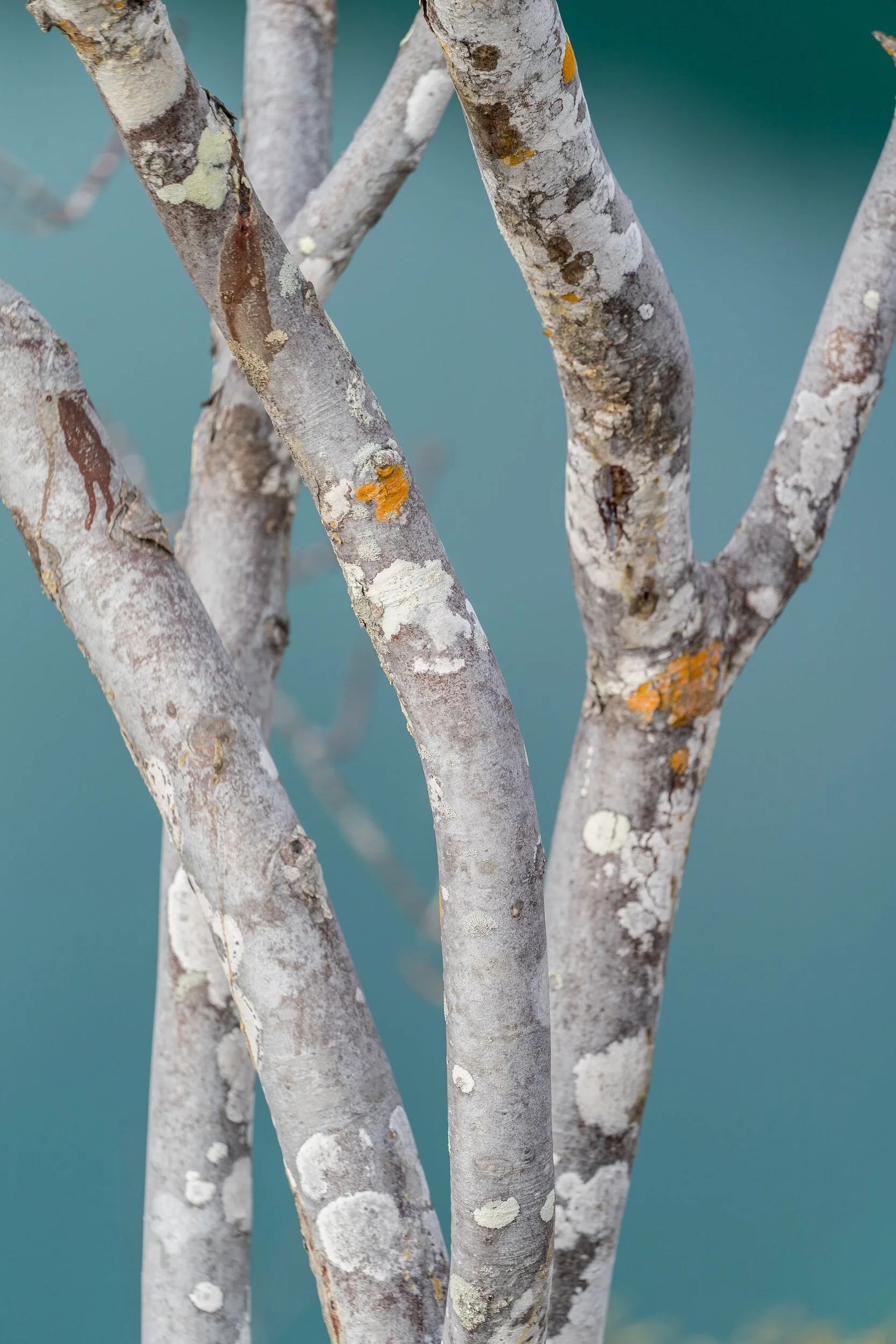
Selective Pruning: Use selective pruning techniques to remove dead or diseased branches, improve tree structure, and enhance aesthetic appeal.
Avoid Over-Pruning: Over-pruning, also known as "topping," can stress the tree, lead to decay, and make it more susceptible to diseases. Follow industry-standard guidelines for the amount of live foliage that can be removed.
-
Safety Measures:
Protective Gear: Ensure that all personnel involved in tree services wear appropriate safety gear, including helmets, eye protection, ear protection, and chainsaw chaps.
Clear Work Area: Before starting any work, clear the area around the tree of people, pets, and obstacles. Communicate and establish a safety zone to prevent accidents.
-

Environmentally Responsible Practices:
Green Waste Management: Implement environmentally friendly practices for managing green waste generated during tree services. This may include recycling wood chips, using them as mulch, or disposing of them responsibly.
Avoiding Harm to Surrounding Plants: Take precautions to minimize the impact on surrounding plants and landscaping. Proper planning and careful execution can prevent damage to nearby vegetation.
-

Compliance with Local Regulations:
Permit Requirements: Check local regulations and obtain any necessary permits before performing tree services, especially for tree removal. Compliance with local ordinances ensures that the work is legal and aligns with community guidelines.
-
Professional and Insured Services:
Certified Arborists: Engage the services of certified arborists or reputable tree service companies with experienced and trained professionals. Certified arborists have the knowledge and expertise to assess and care for trees properly.
Insurance Coverage: Ensure that the tree service provider has appropriate insurance coverage. This protects both the property owner and the service provider in case of accidents or damage during the tree service.
Commercial Properties
-
Tree Inventory and Management Plan:
Comprehensive Assessment: Conduct a thorough tree inventory and assessment to identify the species, health status, and structural integrity of each tree on the commercial property.
Management Plan: Develop a comprehensive tree management plan that outlines pruning schedules, fertilization needs, pest control measures, and a strategy for new tree plantings. This plan should consider long-term goals for the property and prioritize tree health and safety.
-

Regular Pruning and Maintenance:
Scheduled Pruning: Establish a regular pruning schedule to address issues such as deadwood removal, crown thinning, and shaping. Regular maintenance enhances tree health, appearance, and longevity.
Emergency Response Plan: Develop an emergency response plan for immediate action in the event of storm damage, disease outbreaks, or other emergencies that may affect tree safety.
-
Integrated Pest Management (IPM):
Proactive Pest Control: Implement Integrated Pest Management (IPM) practices to control pests and diseases in a sustainable and environmentally friendly manner.
Monitoring and Early Intervention: Regularly monitor trees for signs of pests or diseases and intervene promptly to prevent widespread infestations.
-
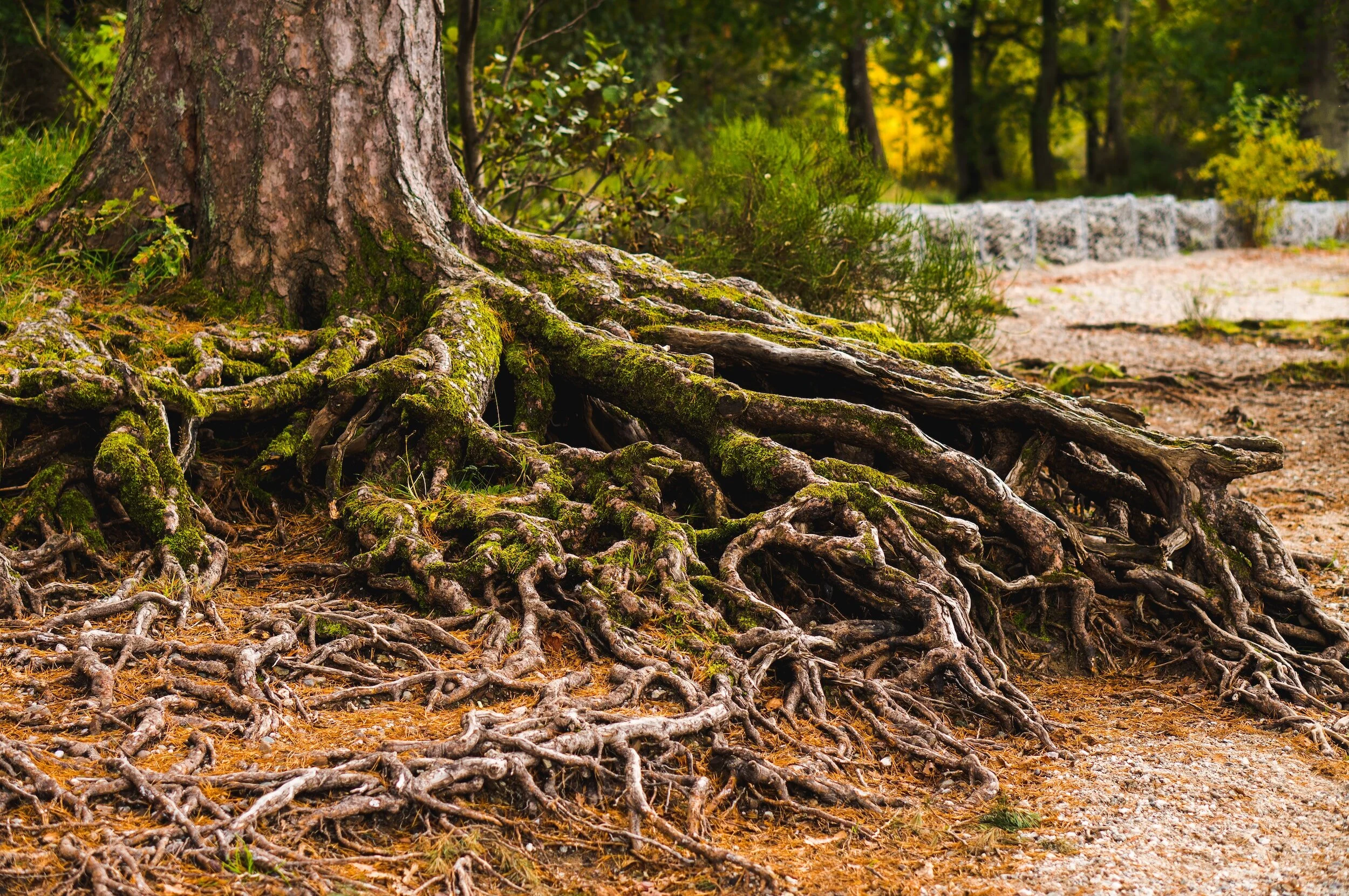
Root Zone Protection:
Preserving Root Systems: Implement measures to protect the critical root zone of trees during construction and landscaping activities. Compacted soil, excavation, and changes in grade can harm root systems, leading to long-term tree health issues.
Mulching: Use mulch to retain soil moisture, regulate temperature, and suppress weeds within the root zone. Proper mulching supports overall tree health.
-
Safety Protocols:
Certified Arborists and Trained Personnel: Employ certified arborists and adequately trained personnel for commercial tree services. Certification ensures that individuals have the necessary knowledge and skills to assess and care for trees.
Safety Training: Conduct regular safety training sessions for personnel involved in tree services. Emphasize the use of appropriate personal protective equipment (PPE) and safe work practices.
-

Community Engagement and Education:
Educational Programs: Engage with the community by offering educational programs on the importance of trees, proper tree care practices, and environmental benefits.
Public Awareness: Communicate with stakeholders, such as property owners, tenants, and the general public, about ongoing tree care activities, including any potential disruptions.