The Protective Advantages of Rough and Textured Bark in Trees
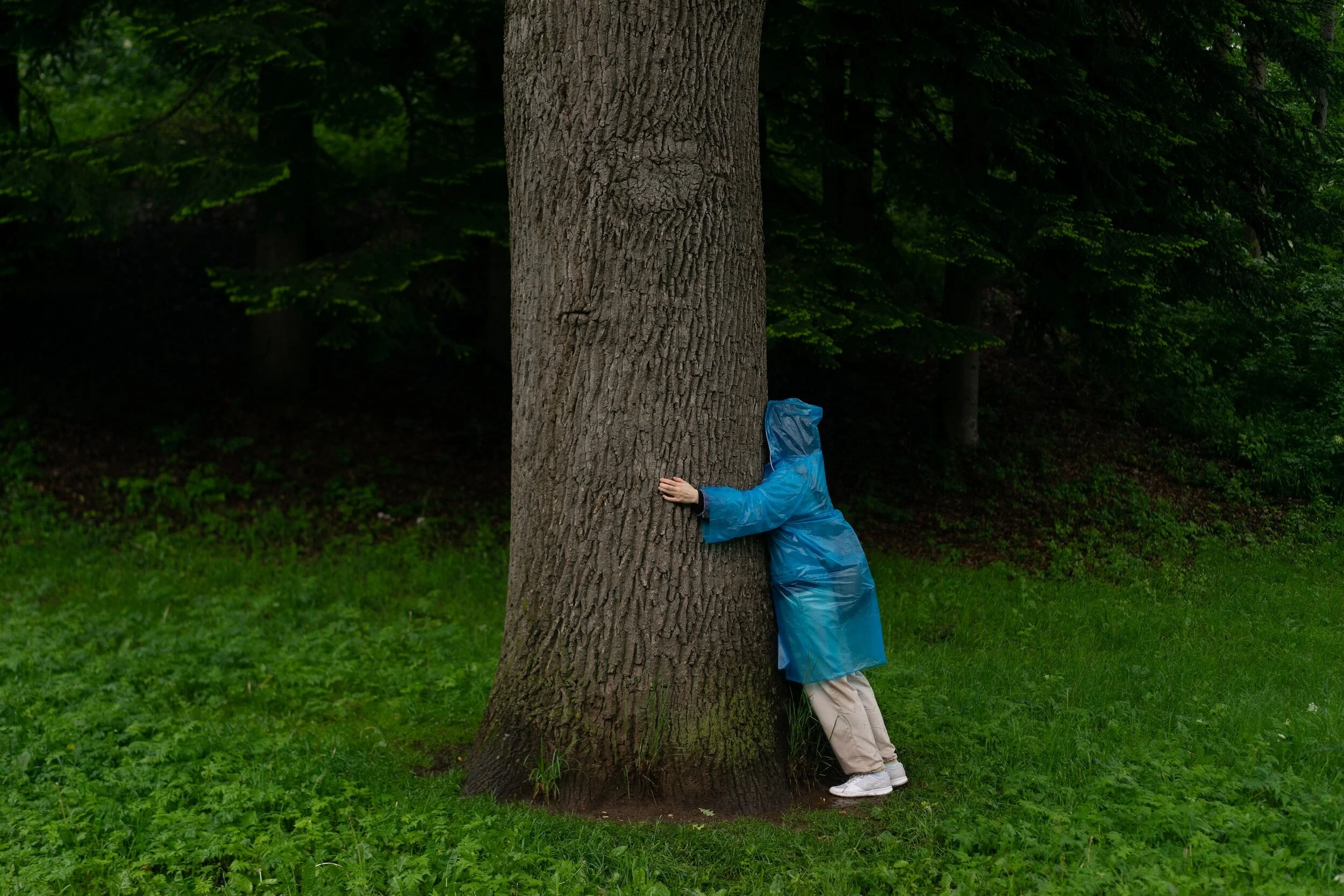
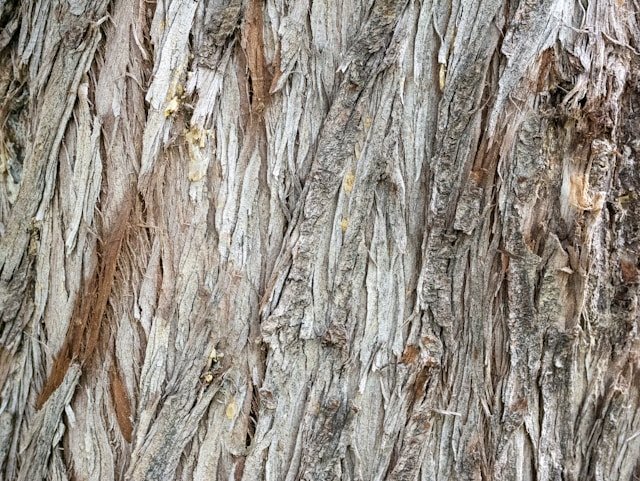
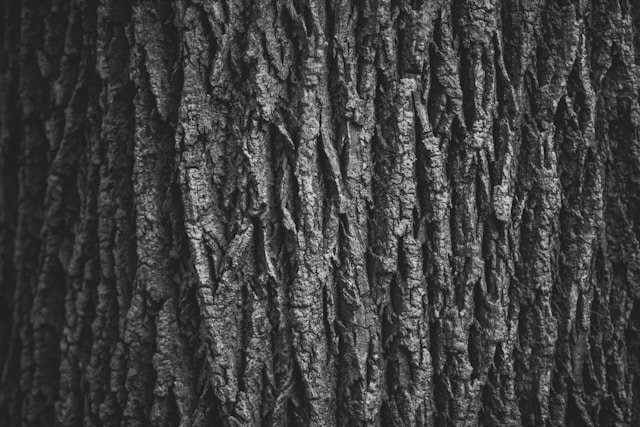
Rough and textured bark, found in trees like oaks and pines, provides essential protection against environmental stressors such as wind, rain, and temperature fluctuations. Its thick, rugged surface offers insulation, defends against physical damage, and supports biodiversity by creating habitats for various organisms. This durable bark highlights the adaptability and resilience of these tree species, contributing to their survival in diverse conditions.
The Unique Characteristics and Benefits of Smooth Bark in Trees
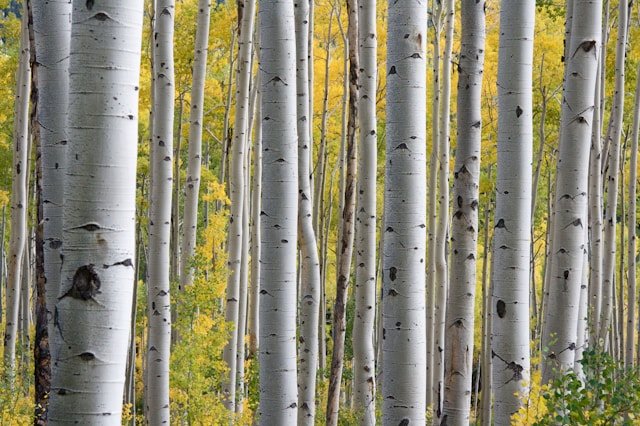
Smooth bark, found in trees like beech and birch, offers significant ecological benefits. Its sleek surface deters fungi and insects, reduces physical damage, and allows efficient shedding of outer layers. Additionally, smooth bark helps regulate temperature and adds aesthetic appeal to landscapes, highlighting the adaptability and resilience of these tree species.
The Diverse World of Tree Bark: A Study of Nature’s Protective Armor
Tree bark varies greatly between tree species, showcasing a range of textures from smooth to rough, and colors from white to rich red. These differences serve multiple ecological functions, including protection from environmental stressors, pest deterrence, and aiding in water retention and gas exchange. Additionally, some bark has distinctive scents that can repel insects, highlighting the adaptability and resilience of trees in diverse environments.
The Remarkable Role of Mushrooms in Tree Ecosystems
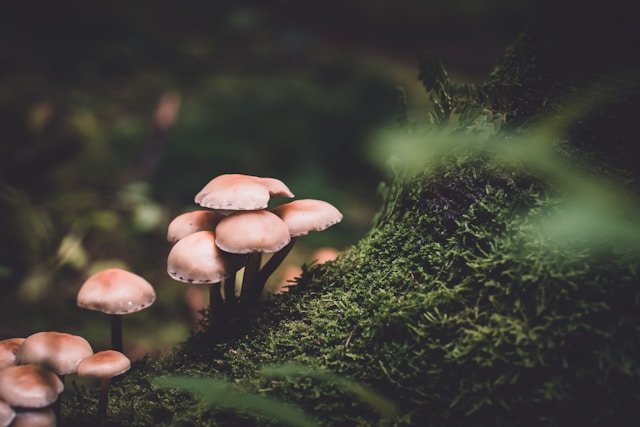
Mushrooms play a crucial role in tree ecosystems by decomposing organic matter, enriching the soil with nutrients, and forming symbiotic relationships with tree roots. While some mushrooms are edible and others toxic, they all contribute significantly to tree health and ecosystem biodiversity. Their presence supports nutrient cycling, enhances soil fertility, and aids in tree growth and protection.

Dual Nature of Tree Stumps
Tree stumps, though beneficial in forests by providing wildlife habitats, fostering mushroom growth, and enriching soil, can be problematic in residential yards. In yards, they can be unsightly, obstruct landscaping, pose safety hazards, attract pests, and decompose slowly. Homeowners can manage stumps through grinding, chemical treatments, manual removal, natural decomposition, or repurposing them as garden features. Balancing ecological appreciation with practical solutions enhances yard aesthetics and functionality.