
Professional herbicide application is a targeted, effective way to control invasive plants, unwanted vegetation, and persistent growth that threatens healthy landscapes. Family Tree Care provides licensed, responsible herbicide application services in Asheville and throughout Western North Carolina, helping property owners manage vegetation safely while protecting desirable plants, soil, and surrounding ecosystems.
Unlike broad, indiscriminate treatments, our approach is precise and intentional. We apply herbicides only when necessary and only where appropriate—using the correct products, timing, and methods to achieve long-term control with minimal environmental impact.
Expert Herbicide Application in Asheville, NC
Why Homeowners Trust Family Tree Care
ISA-Certified Arborists
Fully Licensed & Insured
Pruning based on individual tree growth patterns
Safety-first approach for mature & large trees
Complete debris cleanup
Locally Owned & Operated
Proper herbicide application improves vegetation control, long-term land management, and plant health while reducing the spread of invasive species and unwanted regrowth. This process requires professional training, product knowledge, and careful execution to ensure effectiveness without unintended damage.
Our team follows industry best practices and all applicable regulations to deliver results that are both safe and sustainable.
Our Herbicide Application Process
Onsite Evaluation
We begin with a thorough evaluation of the target vegetation, surrounding plant life, soil conditions, and proximity to structures, water sources, and sensitive areas. This allows us to determine whether herbicide treatment is appropriate and which application method will be most effective.
Strategic Planning
Every treatment plan is customized. We select the proper herbicide formulation, concentration, and timing based on the species being treated, seasonal conditions, and long-term management goals. This planning phase is critical to controlling growth while minimizing impact on non-target plants.
Precise Pruning
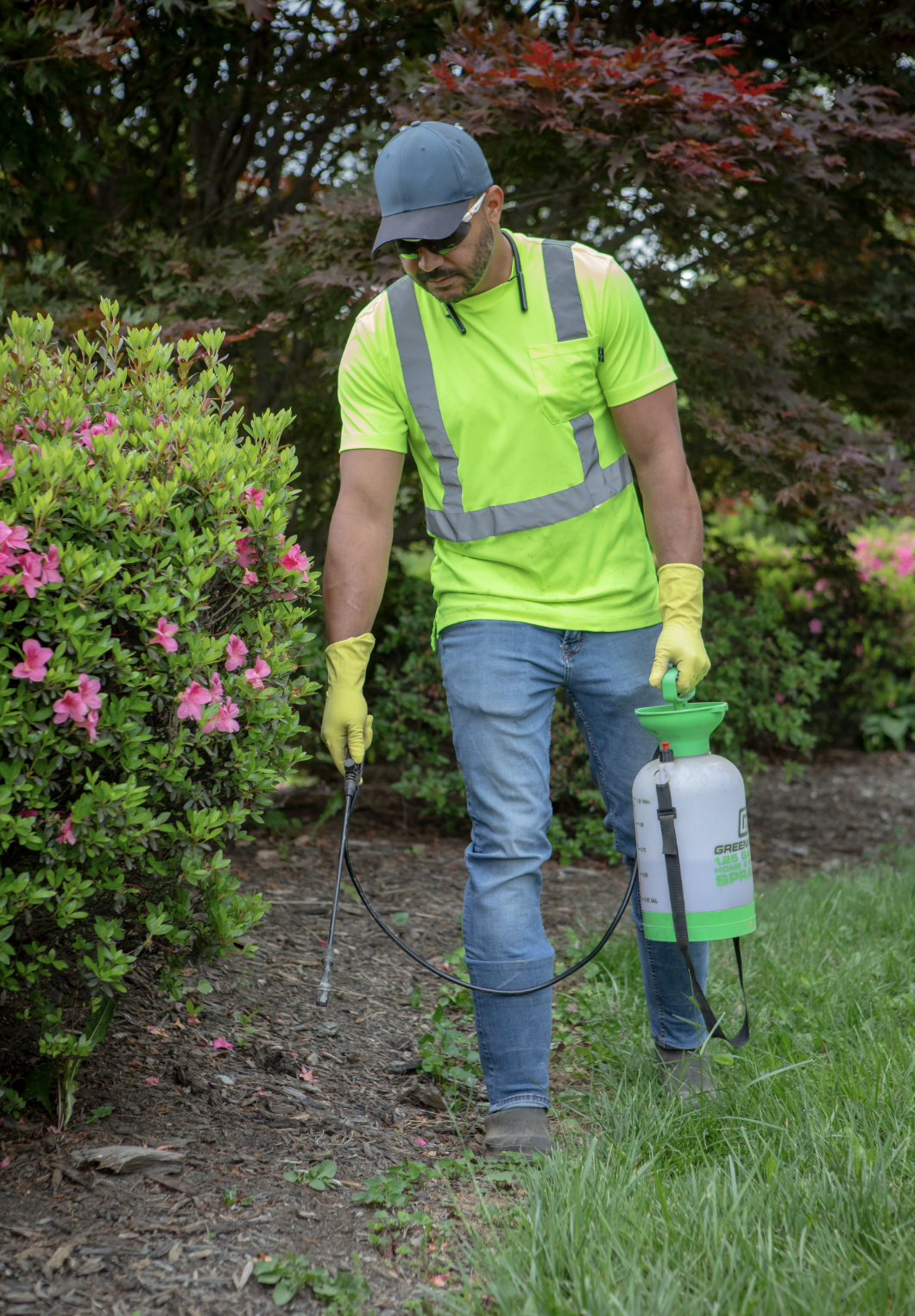
Our licensed professionals apply herbicides using controlled, targeted techniques such as spot treatment, basal application, or cut-stump treatment when appropriate. These methods allow us to focus treatment exactly where it’s needed—reducing drift, runoff, and unnecessary exposure.
After application, we review the treatment area with you and explain what to expect as vegetation responds. When necessary, we provide guidance on follow-up treatments, integrated vegetation management strategies, and preventative steps to reduce future regrowth.
Monitoring & Follow-Up Guidance
Ready To Get Started?
The first step is to get in touch!
Common Questions About Herbicide Application
-
Professional herbicide application is the targeted use of approved products to control unwanted or invasive vegetation while protecting desirable plants, soil health, and surrounding ecosystems. Treatments are selected and applied by trained professionals based on plant species, timing, and site conditions.
-
Herbicide application is often recommended when invasive plants, aggressive weeds, or persistent regrowth cannot be effectively controlled through mechanical methods alone. In Western North Carolina, this is commonly used for species like privet, kudzu, poison ivy, and other fast-spreading vegetation.
-
When applied correctly by licensed professionals, herbicide treatments are safe and effective. We use precise application methods and follow all label requirements and regulations to minimize exposure and protect people, pets, and surrounding plant life.
-
We use targeted techniques such as spot treatments, cut-stump application, or basal bark treatment to apply herbicide only where needed. Careful product selection, timing, and application methods help prevent drift, runoff, and non-target damage.
-
Protecting beneficial insects and wildlife is a priority. Treatments are planned to avoid bloom periods when possible and are applied in a controlled manner to reduce impact on pollinators and surrounding habitats.
-
Results vary depending on the plant species and treatment method. Some vegetation shows decline within days, while others may take several weeks. Your arborist will explain what to expect based on the specific treatment used.
-
In some cases, yes—but many properties benefit from follow-up treatments or integrated vegetation management. Ongoing monitoring helps prevent reinfestation and reduces the need for heavier treatments in the future.
-
Yes. Herbicide application is often combined with forestry mulching, land clearing, or mechanical removal to achieve longer-lasting results and better overall vegetation control.