

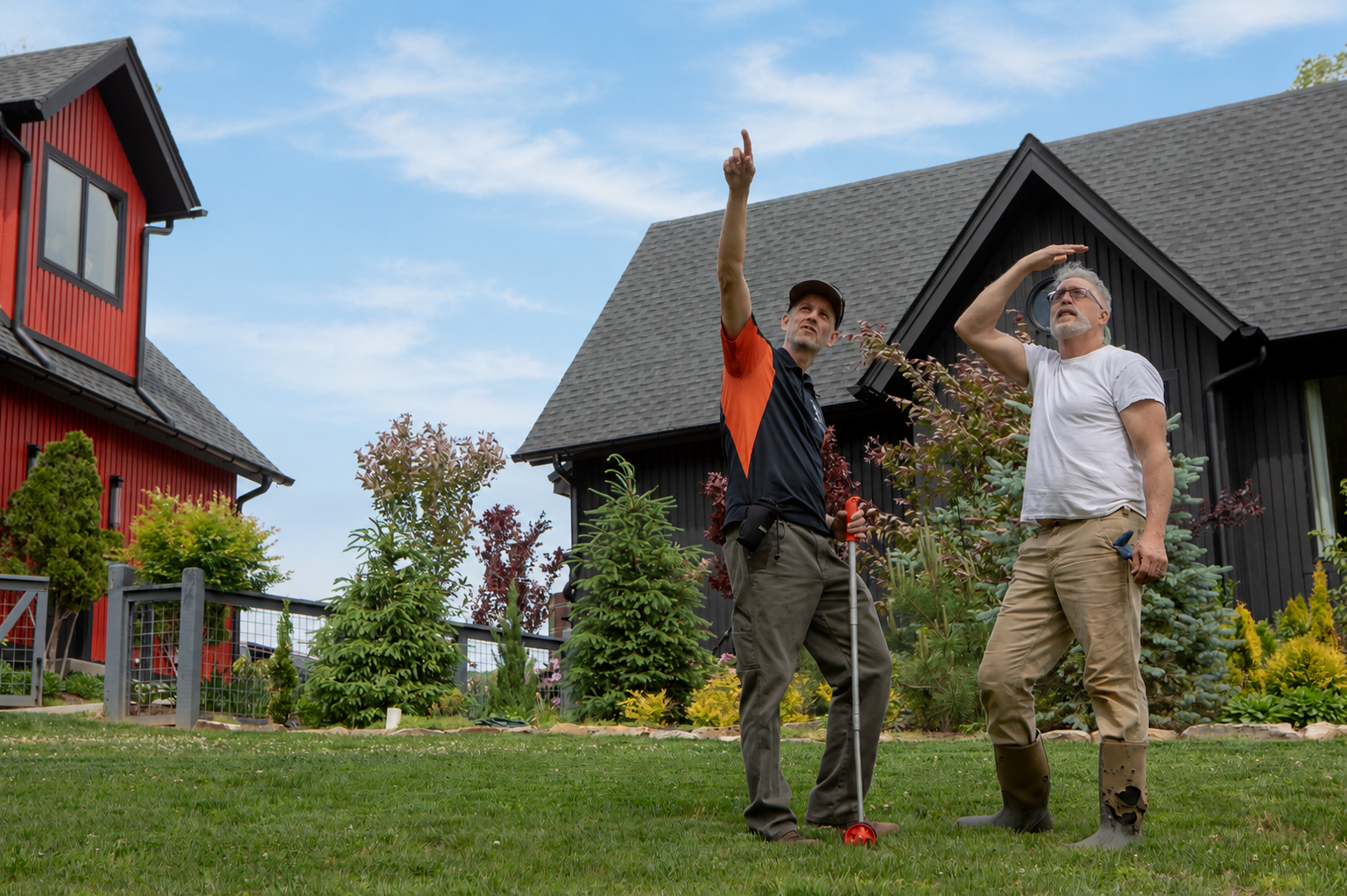
Professional Tree Evaluations for Asheville Area Homeowners
Not every tree problem is obvious from the outside. Family Tree Care provides professional tree inspections in Henderson and Buncombe counties, helping homeowners identify potential risks, health concerns, and structural issues before they become costly or dangerous. Our inspections are performed by experienced arborists who understand local tree species, soil conditions, and season stress factors.
Why Homeowners Trust Family Tree Care
ISA-Certified Arborists
Fully Licensed & Insured
Experience with local species and terrain
Safety-first approach near structures and utilities
Locally Owned & Operated
Our Tree Evaluation Process
Routine inspections help identify problems early, before a tree becomes a hazard or requires emergency intervention. By understanding a tree’s condition, homeowners can make confident decisions about pruning, treatment, monitoring, or removal. Inspections also provide peace of mind, especially after storms.
Onsite Evaluation
We examine the tree from the ground up, reviewing visible indicators of health, structure, and stability.
Risk & Health Assessment
Using arboricultural tools & best practices, we identify potential concerns and assess overall risk based on condition & location.
Findings & Recommendations
You’ll receive straightforward, clear feedback and guidance, whether that means monitoring, pruning, treatment, or removal.
Next Steps
If additional services are recommended, we explain your options clearly and help you plan next steps at your pace and budget.
Ready To Get Started?
The first step is to get in touch!
Common Questions About Tree Evaluations
-
What is a tree inspection?
A tree inspection is a professional evaluation by a certified arborist to check your trees for health issues, structural problems, pests, disease, and potential safety hazards near homes or property. -
Inspections help identify problems early—such as disease, decay, weak limbs, or pest infestations—before they become dangerous or costly to fix.
-
Most arborists recommend at least once per year for mature or high-risk trees, and after severe weather events (storms, high winds) to check for hidden damage.
-
They’ll assess trunk and structural integrity, canopy health, branch unions, signs of disease or pests, root condition, and overall stability.
-
In general, no—tree inspections are typically a separate specialty service because home inspectors aren’t trained arborists.
-
Depending on the number and size of trees, a thorough inspection can take anywhere from 30 minutes to several hours.
-
Costs vary widely based on tree size, quantity, and complexity of assessment; detailed risk assessments or advanced diagnostic tools can increase the price significantly.
-
Most arborists provide a written evaluation or summary that explains any issues found and their recommendations for care or mitigation.